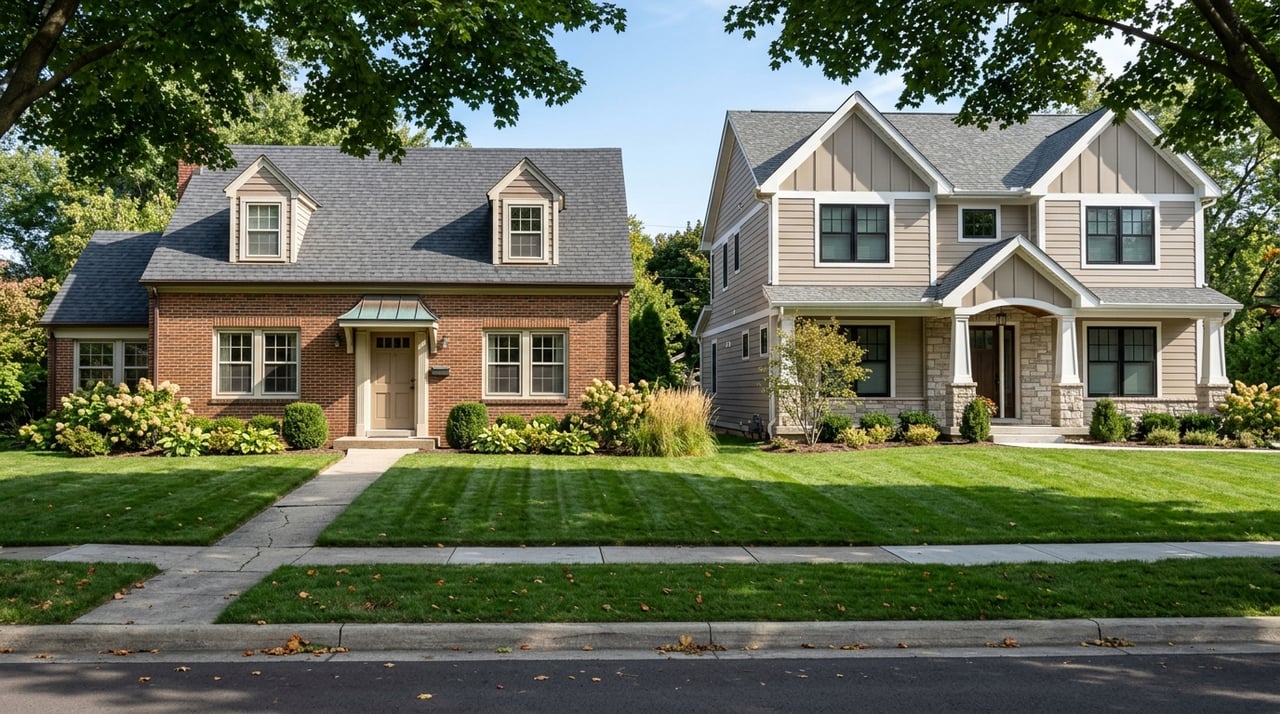
If you are house hunting in East Grand Rapids, one question can shape your entire search: do you want the character of an older home or the convenience of something newer? That choice matters here because East Grand Rapids is a mature, built-out city where historic housing stock and limited new development create very different opportunities. By the end of this guide, you will have a clearer way to compare classic charm versus newer builds, understand the likely tradeoffs, and decide which path fits your budget and lifestyle best. Let’s dive in.
East Grand Rapids Housing at a Glance
East Grand Rapids is one of the oldest suburbs in Kent County, and much of its land use is already established. According to the city’s master plan, most of the community is single-family residential, with housing styles that range from modest frame ranches and colonials to larger brick and cut-stone homes.
That older foundation shapes what you will see on the market today. The city notes major construction waves in the 1920s and 1950s, and some homes are now more than 100 years old. At the same time, East Grand Rapids supports walkability and established destinations like Gaslight Village and Reeds Lake, which adds to the appeal of long-standing neighborhoods.
This is also a market with a strong ownership base. Census data in the city’s master plan show 3,861 housing units and a 94.3% owner-occupied rate. In practical terms, that can mean limited inventory, steady demand, and careful competition when the right home comes up.
What Classic Charm Means Here
In East Grand Rapids, classic charm usually means older architecture, mature streetscapes, and homes with details that are hard to reproduce in newer construction. You may find traditional layouts, original materials, and a neighborhood feel shaped over decades rather than a few recent years.
For many buyers, that established setting is the draw. You are often buying into a part of the city where the look and feel are already in place, rather than waiting for landscaping, trees, and surrounding homes to mature.
Older homes can also offer a wider range of price points than the limited pool of new construction. Current listing examples in the research show existing homes around $410,000, $519,000, and $635,000, which sits well below the price of some new-construction offerings.
The Tradeoffs of Older Homes
Charm is real, but so is maintenance. The U.S. Department of Energy notes that older homes often have inadequate insulation, leaky windows or doors, and older heating and cooling systems. Those issues can affect both comfort and monthly operating costs.
Another practical consideration is lead-based paint risk. The EPA notes that the older a home is, the more likely it is to contain lead-based paint, and most housing built before 1978 falls under federal lead disclosure rules before sale or lease.
If you love an older East Grand Rapids home, it helps to look past finishes and ask deeper questions. You will want to understand the condition of the windows, doors, insulation, HVAC systems, and any updates that may affect future repair or renovation plans.
Permits Matter in East Grand Rapids
This is an especially important point if you are buying an older home with plans to improve it. East Grand Rapids requires building permits for most home-improvement projects, including new construction, garages, additions, decks, roofing, siding, window replacement, and interior remodeling.
That means renovations are not usually a casual weekend project. The city’s zoning staff reviews plans, and some work may require site-plan review, variances, or other approvals before a permit is issued.
For buyers, this does not mean older homes are a bad fit. It simply means you should factor in timeline, cost, and review requirements if you expect to update, expand, or rebuild.
How Newer Builds Show Up in East Grand Rapids
Newer housing in East Grand Rapids is not typically found in large new subdivisions. The city’s master plan describes the community as largely built out, so new housing tends to arrive through infill or redevelopment.
That gives newer product a very different feel from what you might see in fast-growing outer suburbs. Instead of broad tracts of brand-new homes, you are more likely to see carefully reviewed projects designed to fit into an established setting.
One example is the Gaslight Investors redevelopment proposal, an 8.6-acre project with six buildings and 147 residential units including condos, apartments, and townhomes. The project is still moving through the city’s review process, which shows how closely new development is evaluated here.
What Buyers Often Like About Newer Homes
A newer build often appeals to buyers who want a more move-in-ready experience. In the current listing examples from the research, new-construction homes were priced at about $1.025 million and $1.355 million and offered roughly 2,800 square feet with 4 bedrooms and 3.5 baths.
Those examples suggest that newer homes in East Grand Rapids tend to target buyers who want larger, more contemporary layouts and multiple baths. While that floor-plan pattern is based on current listings rather than a formal city category, it points to a familiar value proposition: less immediate maintenance and a more modern setup.
If your priority is fewer near-term repair projects, a newer property may feel simpler. You may also prefer newer systems and finishes if you do not want to spend time planning upgrades right after closing.
The Main Tradeoff: Price Versus Condition
In East Grand Rapids, the classic-versus-newer conversation is really a value conversation. Buyers are often choosing between older homes with character and potential updates, or newer homes with more current condition at a much higher entry price.
Recent market snapshots reinforce that point. Redfin reported a median sale price of $760,000 for the three months ending April 2026, while Realtor.com reported a median listing price of $862,500 in March 2026, with 36 homes for sale and a 100% sale-to-list ratio.
The exact figures differ because the sources use different methods and timeframes, but the market picture is consistent. East Grand Rapids is a high-price market with active demand, so pricing, condition, and presentation all matter.
Which Option Fits Your Goals?
If you are drawn to architecture, established surroundings, and potentially more flexibility on purchase price, an older home may be the better fit. This path often works well if you can tolerate some maintenance needs and are comfortable evaluating future improvement costs.
If you want a more turnkey experience and are comfortable paying a premium, a newer build may be the better match. That can be especially appealing if you prefer larger, more modern layouts and want to reduce immediate repair concerns.
Neither option is automatically better. The right answer depends on how you balance budget, maintenance tolerance, design preferences, and your plans for the next several years.
Smart Questions to Ask Before You Buy
Whether you prefer classic charm or newer construction, a few questions can help you compare homes more clearly:
- How old are the home’s major systems, including heating and cooling?
- Have insulation, windows, or doors been updated?
- If the home is older, what should you know about lead-based paint disclosure?
- If you want to renovate, what permits or approvals might be required by the city?
- How does the home’s asking price compare with its condition, size, and location within East Grand Rapids?
- Would you rather invest money upfront in purchase price or later in updates and maintenance?
These questions can help you move beyond curb appeal and focus on the total cost and practicality of ownership.
Why Local Guidance Helps in This Market
Because East Grand Rapids has limited housing supply, older housing stock, and selective new development, it helps to work with someone who can explain the market in plain terms. You need more than a quick opinion on finishes. You need a realistic read on price positioning, renovation considerations, and what a home may mean for your day-to-day life after closing.
That is especially true when the decision is not just about style. It is about whether you want to pay for condition now or improve a property over time.
If you are weighing East Grand Rapids homes and want experienced, local guidance tailored to your goals, connect with Ann Huizen for a thoughtful, relationship-first conversation about your next move.
FAQs
Are most homes in East Grand Rapids older homes?
- Yes. The city says much of the housing stock is older, with major building waves in the 1920s and 1950s, and some homes now more than 100 years old.
Is new construction common in East Grand Rapids?
- Not really. East Grand Rapids is largely built out, so new housing usually comes through infill or redevelopment rather than large new subdivisions.
What should buyers check in an older East Grand Rapids home?
- Focus on insulation, windows, doors, heating and cooling systems, lead-based paint disclosure for older homes, and any permit requirements tied to planned updates.
What price range should buyers expect in East Grand Rapids?
- Recent research shows a high-price market, with a median sale price around $760,000, a median listing price near $862,500, and current new-construction examples above $1 million.
What happens if you want to remodel or add onto a home in East Grand Rapids?
- The city requires permits for many projects, and zoning review may include site-plan review, variances, or additional approvals depending on the scope of work.