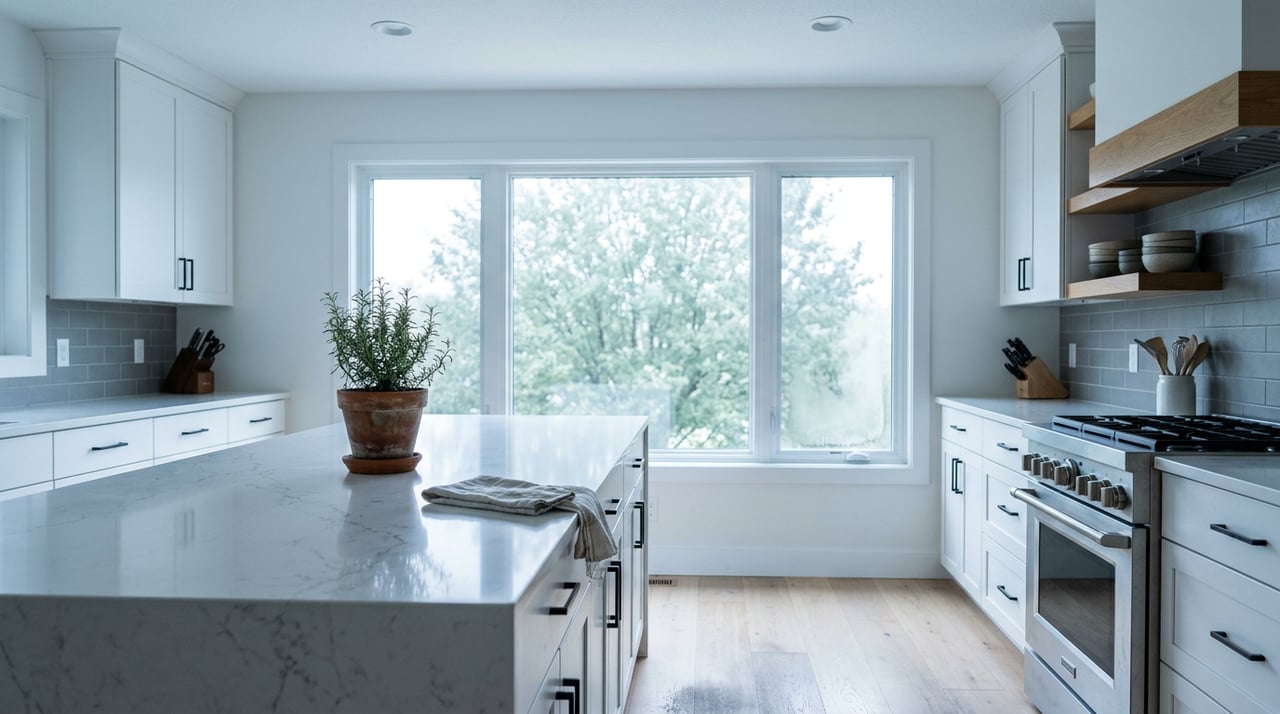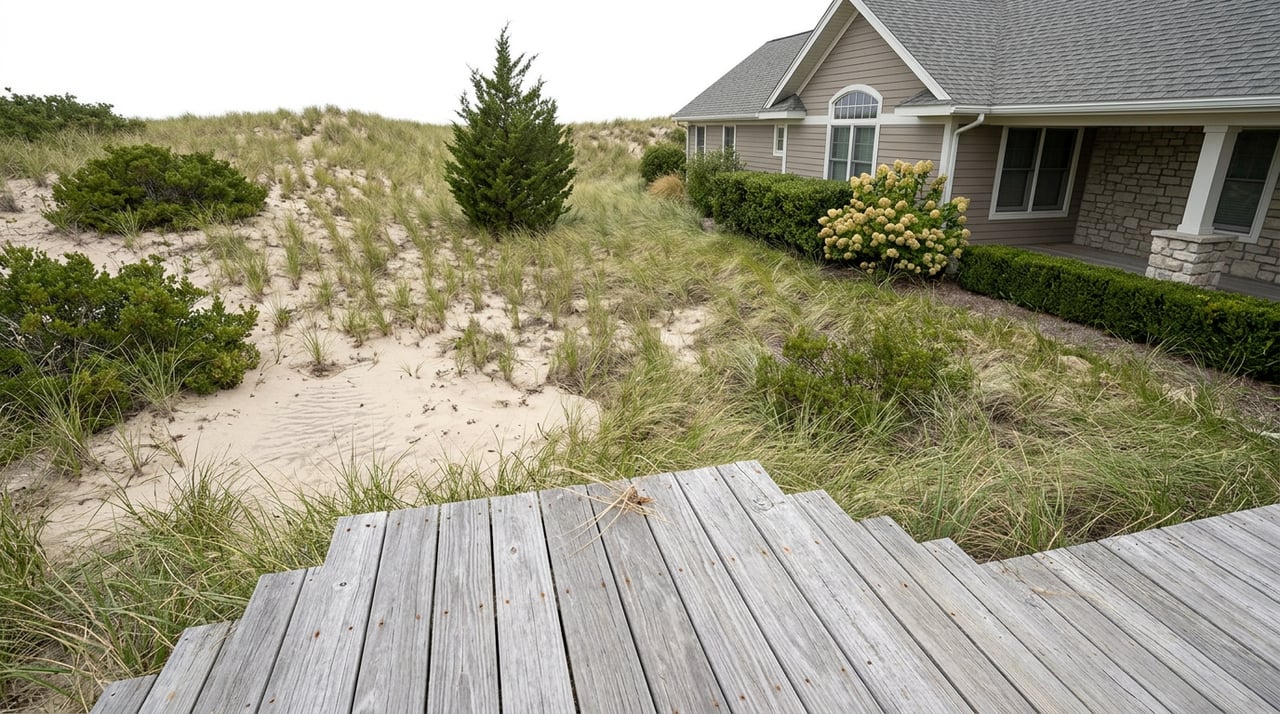
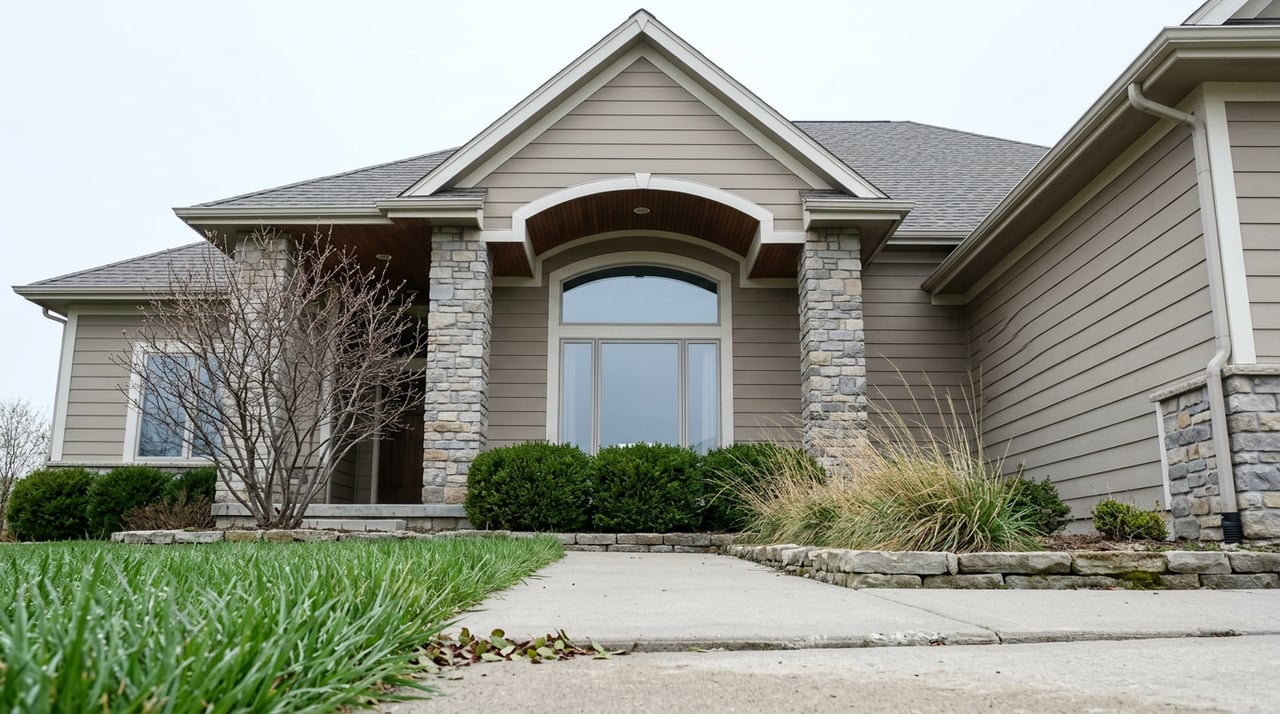
Every listing you look at in Grand Rapids has a tax line. It looks like a fact. It is actually a photograph of somebody else's bill, taken at whatever moment they happened to buy the house, and it stops being true the day you close.
Here is the math nobody puts on the flyer. Michigan caps how fast a home's taxable value can rise while the same person owns it: 2.7 percent for the 2026 tax year, per the Michigan State Tax Commission's inflation multiplier, confirmed on the City of Grand Rapids assessor's page. That cap has nothing to do with what the house is worth. It only tracks how long the current owner has been sitting still. The moment title transfers, the cap breaks. Michigan law resets the taxable value to the State Equalized Value, which is set at half of the home's current market value, starting the year after the sale. The seller's number disappears. Yours starts fresh, at roughly market rate, whether or not the sale price matches what similar homes are trading for.
Run it on a typical purchase. A $300,000 home in the city, once uncapped, lands around $150,000 in taxable value. At Kent County's certified 2025 homestead rate for the city with Grand Rapids Public Schools, 33.1249 mills, that produces an annual bill near $4,969, or about $414 a month, assuming you file for the Principal Residence Exemption. Skip that filing, or buy as an investor who can't claim it, and the same house runs closer to $7,669 a year. The exemption is worth roughly 18 mills of local school operating tax, and it only applies to owner-occupied homes.
The gap isn't the same size everywhere
If uncapping hit every Grand Rapids buyer identically, it would be a rounding error you'd budget for once and forget. It doesn't. The size of the jump depends on two things that vary block by block: how long the seller held the property, and which taxing jurisdiction the parcel sits in.
Longer ownership means a bigger gap, because the capped value has had more years to fall behind market value. That's structural, not random. Stable, low-turnover streets, the ones people don't leave, are exactly where the gap between a seller's frozen number and your uncapped one tends to be widest. A starter-home pocket with buyers cycling through every five or six years won't show the same spread as a street where houses change hands once a generation.
Jurisdiction stacks a second layer on top. Grand Rapids Public Schools levies its own operating millage inside city limits. Step across the line into Forest Hills or East Grand Rapids Public Schools territory, and the total millage rate changes, sometimes by several mills, before you've factored in city versus township services. Buyers comparing a house in Alger Heights, with its brick bungalows and ranches on tight 0.13 to 0.15 acre lots, against a Colonial or Tudor on a half-acre in East Grand Rapids aren't just comparing square footage and yard size. They're comparing two different tax jurisdictions layered on top of two different uncapping outcomes.
The published range makes the point concretely. Effective property tax rates across Grand Rapids ZIP codes run from roughly 0.68 percent in 49525 up toward 1.07 percent or higher in 49506, and annual bills across the city's ZIP codes have been documented running from around $1,785 up past $4,100 on comparable value. Some of that spread comes from differing home values. A meaningful piece of it comes from which millages apply where you're standing.
The seller's tax line tells you what they've been paying. It tells you nothing about what you're about to owe.
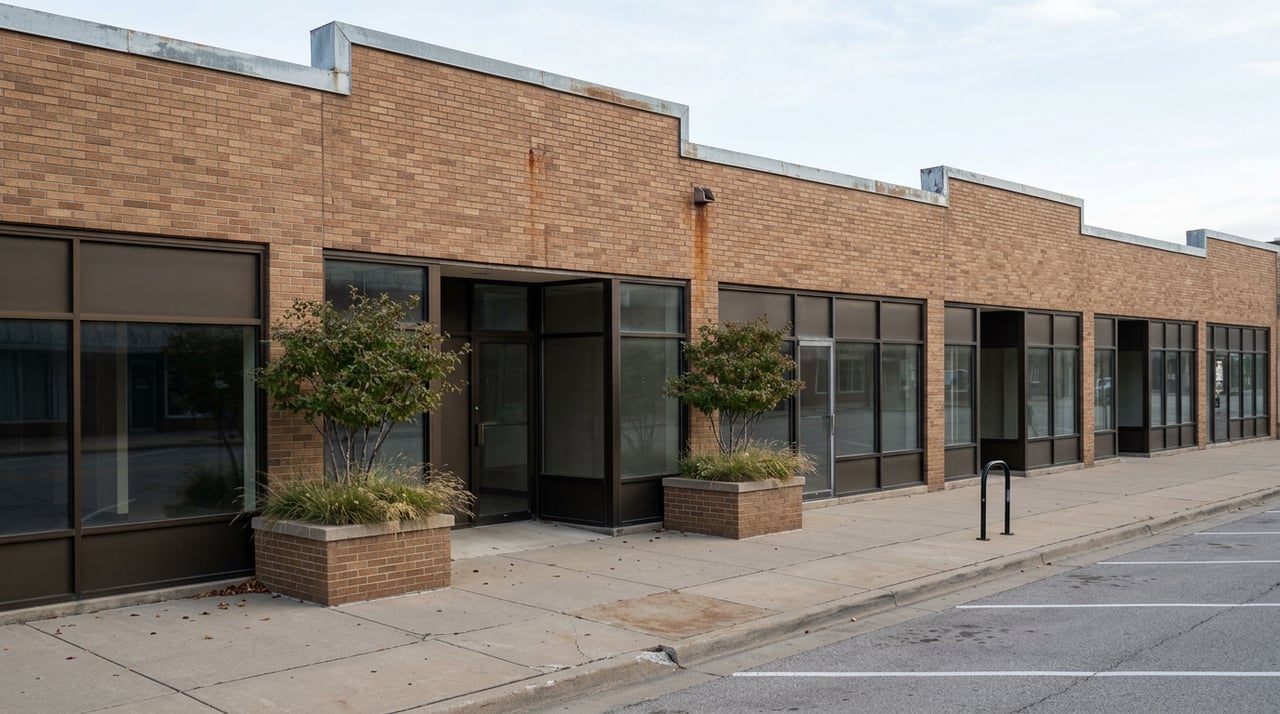
This isn't only a residential problem. Ann Huizen's practice spans land and small commercial deals too, and uncapping doesn't skip them. When a commercial parcel or a piece of vacant land changes hands in Kent County, the taxable value resets the same way, often with a bigger jump, because non-homestead property never had the 18-mill exemption cushioning it in the first place. Investors budgeting a commercial lease placement or a land purchase off the seller's current tax bill are working from a number that's about to expire the same way a homeowner's is.
The relief bill hasn't cleared the Senate
There's a reason this problem has a name in Lansing right now instead of just an assessor's footnote. State Rep. Ann Bollin has been pushing House Bill 5872, which would stop taxable value from automatically resetting to market rate on a sale and instead let it keep climbing under the existing inflation cap, sale or no sale. The bill passed the Michigan House in May 2026 as part of a nine-bill package. To make the change permanent rather than reversible by a future legislature, it's paired with House Joint Resolution T, which would need to go to voters as a constitutional amendment.
As of today, the Michigan Senate is adjourned until September 9, 2026. HB 5872 has not passed the Senate. It has not been signed. It is not law. The Michigan Municipal League has also formally opposed the bill, arguing the package doesn't include a clear mechanism to replace the revenue local governments would lose, which is worth knowing if you're the type of buyer who reads legislative fights as a preview of what's coming rather than a done deal.
None of that changes what you owe if you close this year. If you're writing an offer in Grand Rapids in 2026, budget under the rules on the books today. If HB 5872 eventually becomes law and voters later approve HJR T, that will matter for the next generation of buyers. It does not retroactively cap your bill.
What to actually do before you write an offer
You can't undo uncapping. You can stop being surprised by it.
- Ask your agent or the listing agent for the property's State Equalized Value, not just the current tax bill. The SEV is public record and gives you a real estimate of what your taxable value becomes after the reset.
- Confirm which school district and millage jurisdiction the parcel sits in before you compare it to a house a few blocks away. City limits, township lines, and school district boundaries don't always follow the streets you'd expect.
- File your Principal Residence Exemption paperwork with the local assessor promptly after closing. Miss the June 1 deadline for summer taxes and you can still make the November 1 deadline for winter, but there's no reason to leave 18 mills of exemption sitting unclaimed longer than necessary.
- If you believe the post-uncapping assessment overstates your home's actual value, Kent County's Board of Review holds appeal sessions in March. The window is short and the burden of proof is on you, so bring comparable sales, not just a feeling that the number is high.
- For land and commercial purchases, run the same SEV check. There's no homestead exemption to soften the landing, so the gap between the seller's bill and yours can be sharper.
You can look up assessed and taxable values directly through Kent County's BS&A Online property records portal, and the state's own explanation of how transfers trigger uncapping is laid out on Michigan's Department of Treasury site. If you want to track HB 5872 yourself before assuming it changes anything for your closing, the bill's status is public on the Michigan Legislature's website.
Frequently asked questions
Does uncapping apply if I inherit a home instead of buying it? Transfers between spouses and to certain qualifying relatives, including children, grandchildren, and siblings, can be exempt from uncapping if the home stays residential. Family transfers have specific rules, so confirm the details with the local assessor or a Michigan real estate attorney before assuming an inherited home keeps its old capped value.
Does the 2.7 percent cap apply to my very first tax year as owner? No. Your first year as the new owner is the uncapped year, when taxable value resets to the SEV. The 2.7 percent inflation cap starts protecting you the year after that, once your own taxable value has a baseline to grow from.
Is new construction taxed the same way? Uncapping is triggered by a transfer of ownership between a seller and a buyer, so a newly built home has no prior owner's capped value to reset in the first place. Once you own it, the same annual inflation cap that applies to any resale applies to your new build going forward.
Neighborhood comparisons that stop at price per square foot miss half the real cost of owning in Grand Rapids. If you're weighing a purchase against what your actual first-year tax bill will look like, block by block, Ann Huizen can walk through the SEV, the jurisdiction, and the numbers before you write an offer. Get your instant home valuation to start the conversation.